
Flexible Half-Round Engineered Wood Wall Panels
Key Features:
- Eco-Friendly Technical Wood: Engineered using sustainable technical timber veneer to capture the rich texture and linear grain of premium hardwoods without natural defects like knots or heavy color splits.
- Superior Flexing Performance: Designed with a highly resilient composite backing, allowing individual half-round slats to conform beautifully to smooth curves, arches, and custom furniture contours.
- Architectural 3D Dowel Profile: Features a perfectly proportioned half-round scalloped structure that creates dramatic shadow lines and sophisticated textures under any lighting condition.
- Multi-Tone Color Consistency: Available in multiple elegant natural wood finishes (from light oak to refined dark walnut) with exceptional color matching across large-scale commercial batches.
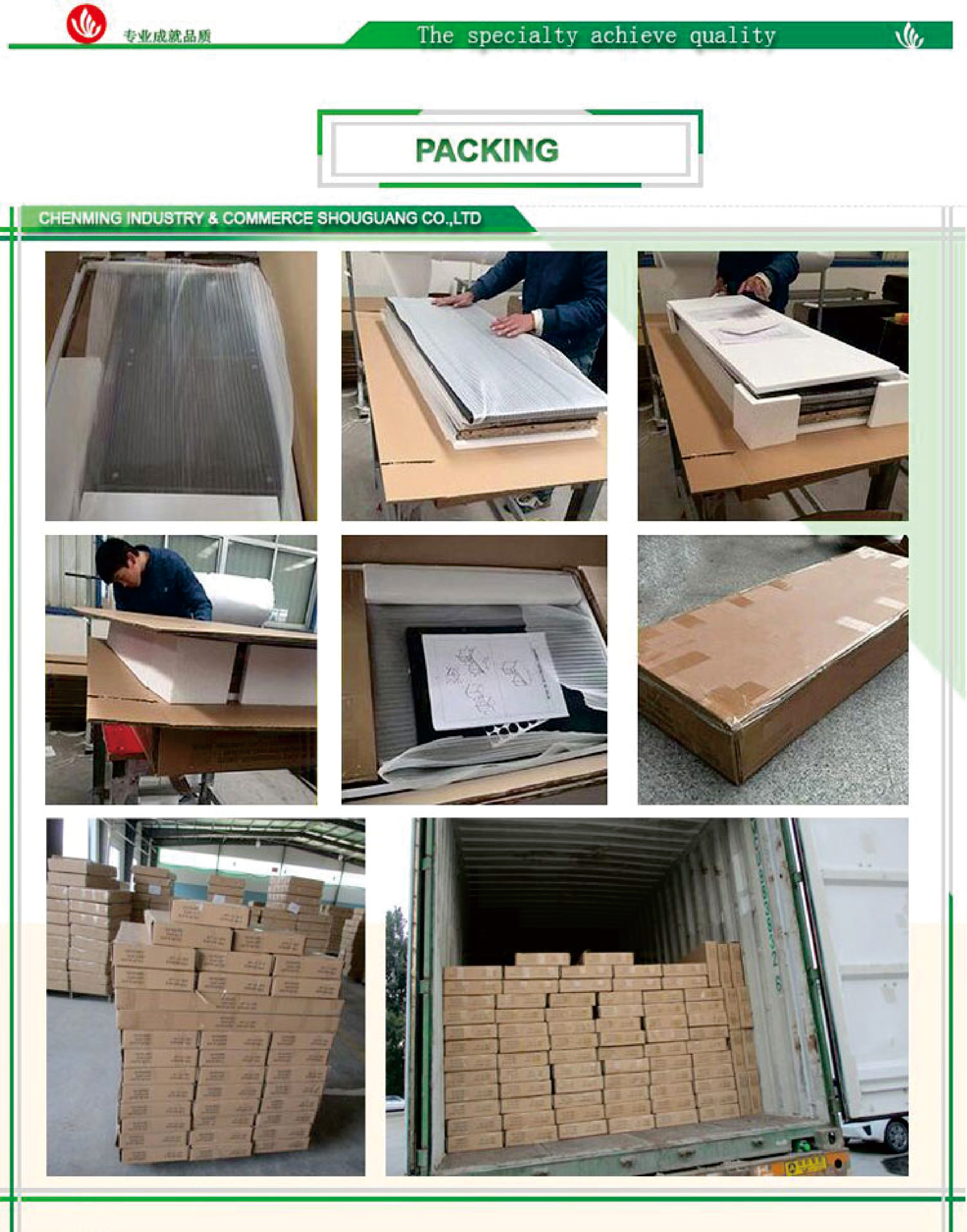
- Efficient Construction & Handling: Supplied in easy-to-handle modular sections that cut cleanly with standard tools and install rapidly using polyurethane adhesive, minimizing project downtime.
FAQ:
Q1: Can these flexible engineered panels be used to wrap tight columns?
A: Yes. The structural design of our half-round slats paired with the premium flexible backing layer enables an outstanding bending radius. It can effortlessly wrap around pillars, rounded kitchen islands, and concave wall contours smoothly.
Q2: What are the advantages of technical wood over natural solid wood?
A: Technical wood (engineered timber) is more stable and eco-friendly. It provides identical premium grain aesthetics to luxury solid wood but eliminates issues like natural knots, rot, or heavy batch-to-batch color variations. It is also far less susceptible to splitting or warping when indoor humidity levels change.
Q3: How are these panels installed on flat vs. curved surfaces?
A: For both flat and curved surfaces, the installation is straightforward. Apply a high-quality heavy-duty construction adhesive (like liquid nails or polyurethane glue) evenly across the backing mesh, press the panel firmly onto a clean substrate, and use a few brad nails or temporary bracing to hold it secure while the glue cures.


