
Flexible Walnut Wood Surface Ribbed Paneling | Curved MDF Tambour Board for Wall & Column Wrap


Core Features:
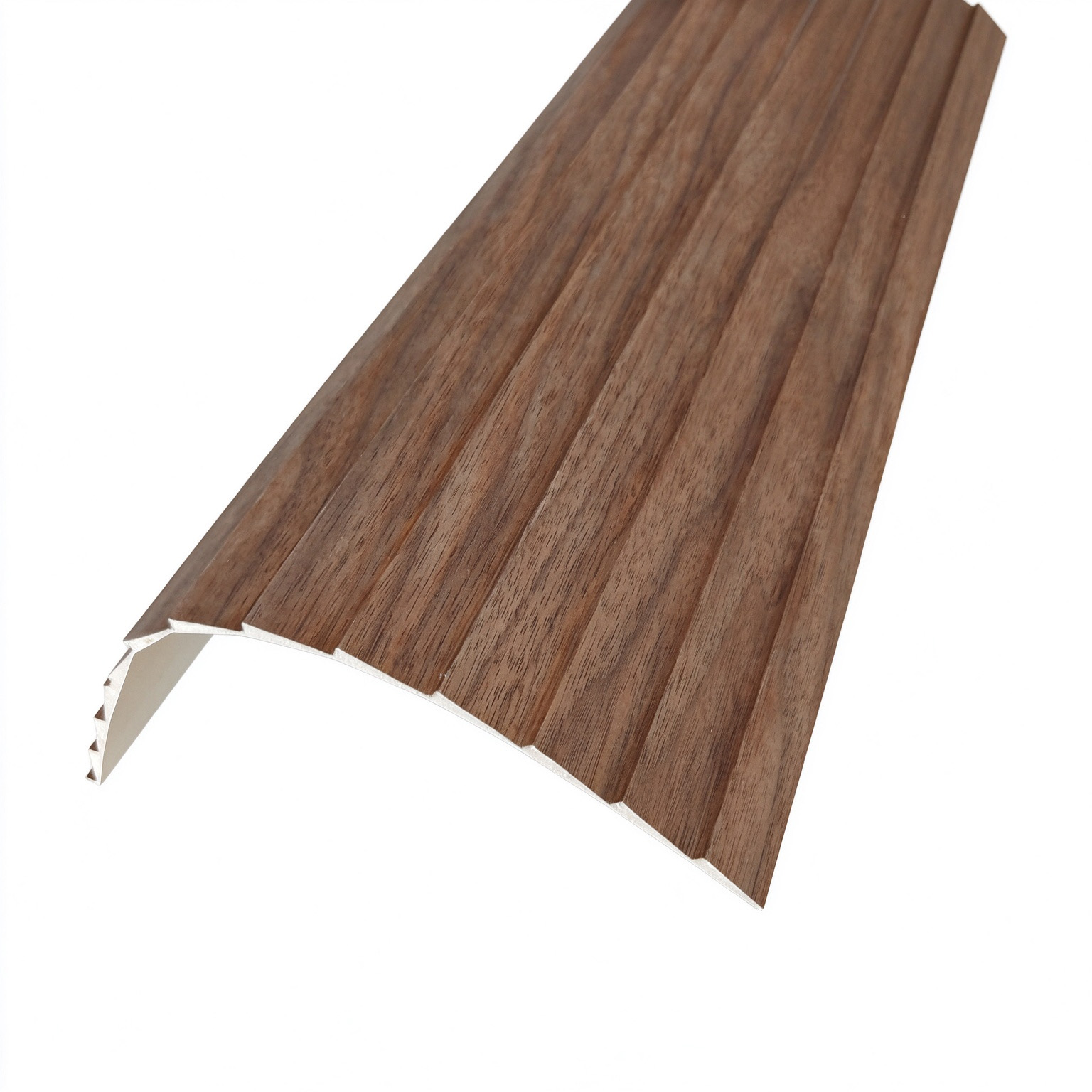
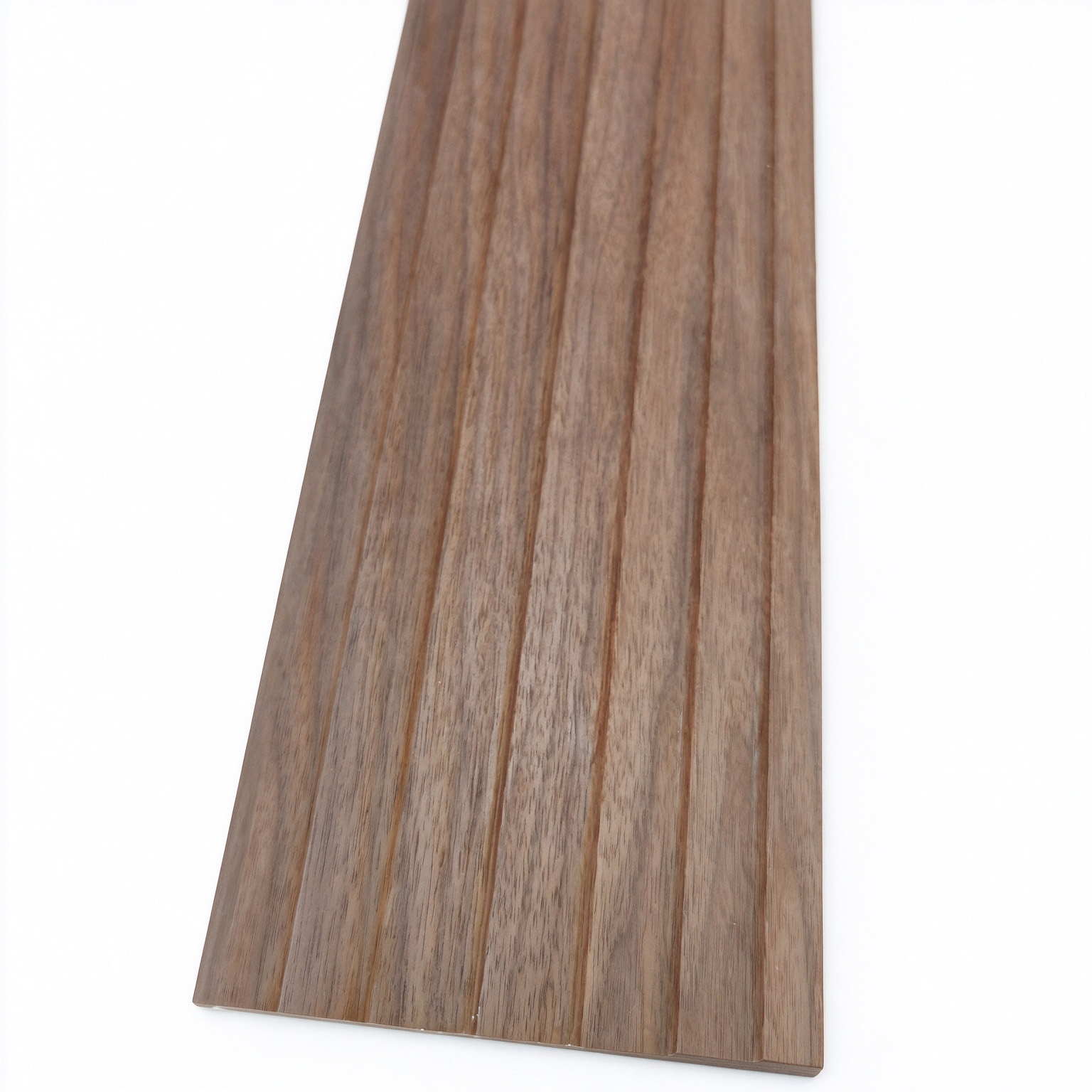
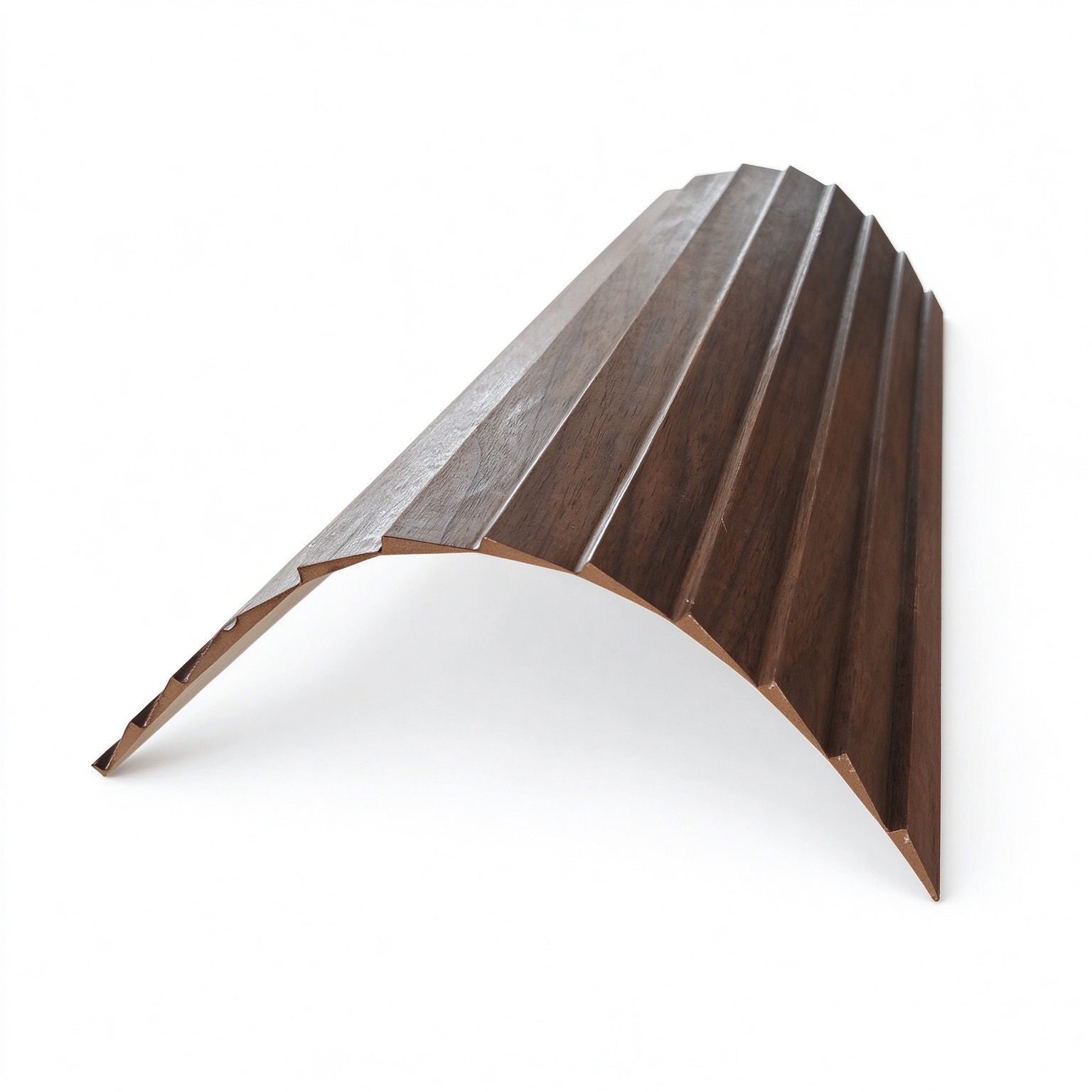
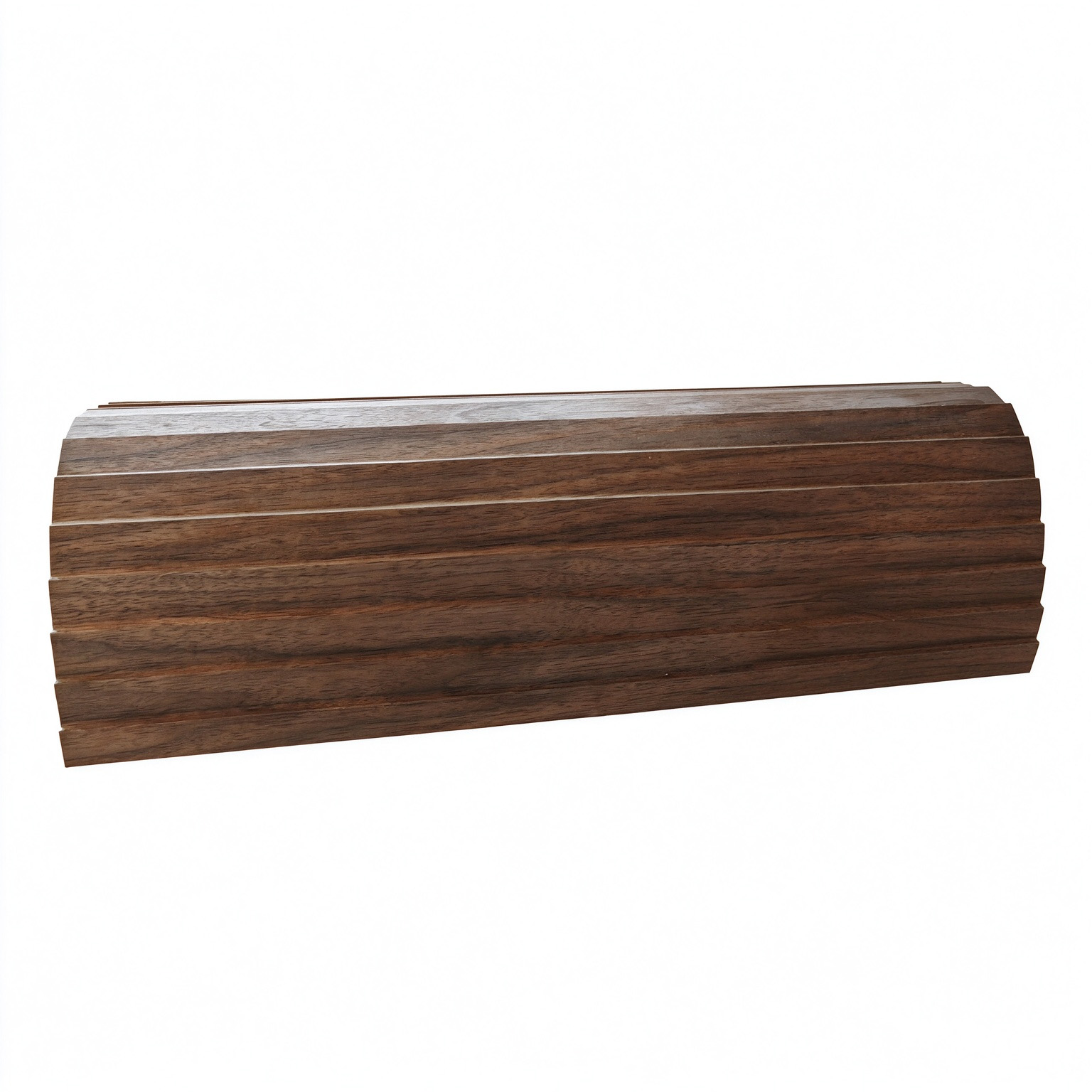
- ✅️Luxury Walnut Solid Wood Surface: The face is coated with authentic premium walnut wood veneer, preserving the rich, deep grain, elegant natural color variations, and high-end tactile warmth of solid timber.
- ✅️Precision Slat Fluted Design: The distinct slats create a bold, modern 3D linear shadow effect that adds immediate depth, texture, and a high-end designer vibe to any space.
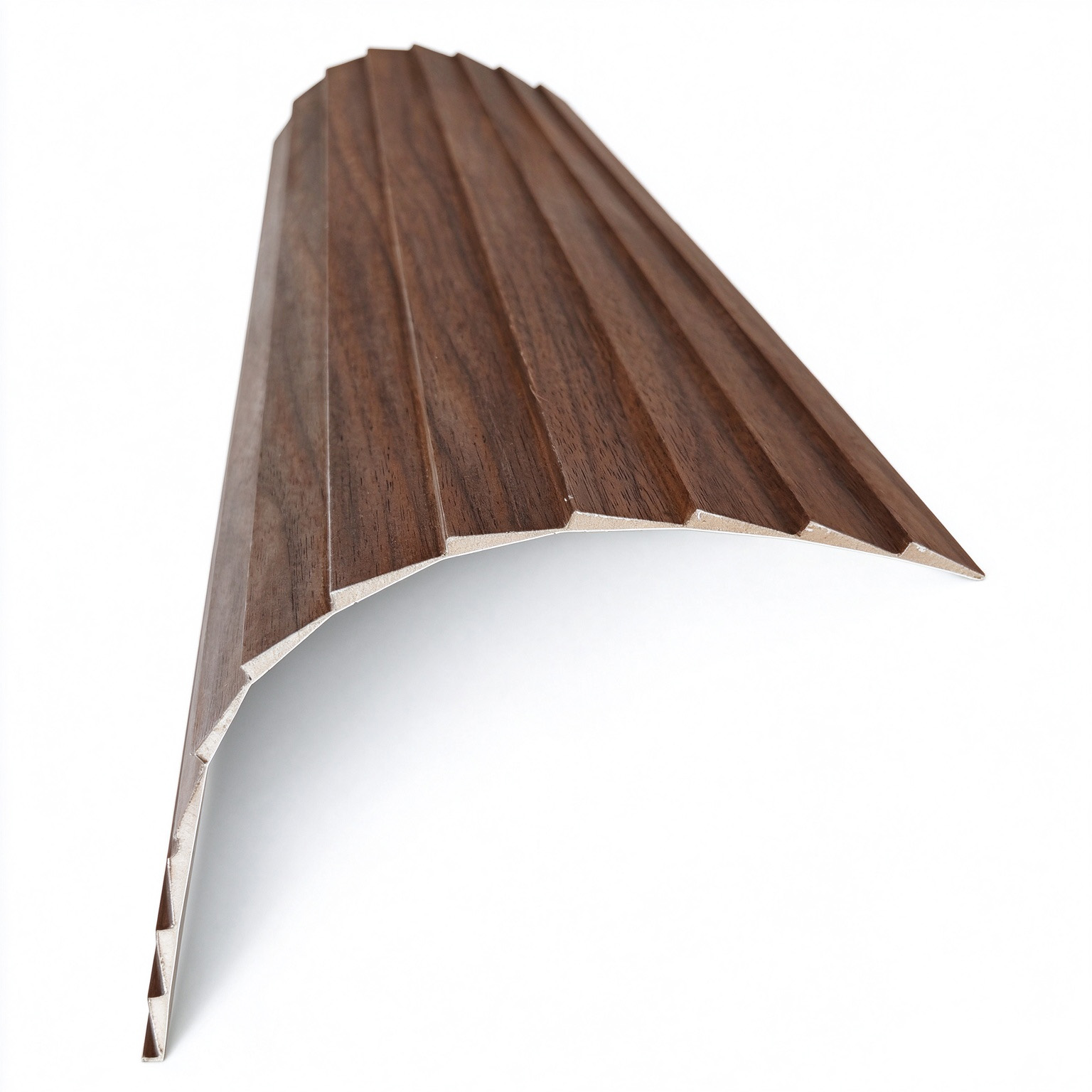
- ✅️Superior MDF Core Stability: Built on an advanced Medium-Density Fiberboard (MDF) matrix. Unlike solid wood which can warp or split under humidity, our MDF backing ensures absolute structural consistency and flatness over time.
- ✅️Seamless Curved Adaptation: Thanks to the specialized flexible backing and precise slatted kerfs, these sheets wrap smoothly around tight bends, round pillars, and undulating architectural shapes without any surface tension.
- ✅️Effortless Interlocking & Installation: Designed with interlocking edge profiles to allow seamless multi-sheet extensions. They cut easily with standard woodworking tools and install quickly using construction adhesive and finish brads.


FAQ:
Q1: Can these flexible walnut veneer panels be used in high-humidity areas like bathrooms or commercial kitchens?
A1: Our panels feature a high-density MDF core that offers excellent stability, and the surface is authentic natural walnut. While they are perfect for powder rooms and restaurant dining areas, they should not be exposed to direct water contact or constant saturated steam (such as inside a shower stall). For standard bathroom or kitchen island installations, we highly recommend applying a high-quality, moisture-resistant clear polyurethane topcoat on all exposed wood faces and edges to seal out ambient moisture effectively.
A1: Our panels feature a high-density MDF core that offers excellent stability, and the surface is authentic natural walnut. While they are perfect for powder rooms and restaurant dining areas, they should not be exposed to direct water contact or constant saturated steam (such as inside a shower stall). For standard bathroom or kitchen island installations, we highly recommend applying a high-quality, moisture-resistant clear polyurethane topcoat on all exposed wood faces and edges to seal out ambient moisture effectively.
Q2: Do you offer custom slat widths, profile shapes, or specific sheet sizes for large project orders?
A2: Yes, absolutely! As a leading manufacturer, we welcome custom OEM/ODM specifications for commercial projects, architectural designs, and wholesale distributors. We can adjust the thickness of the MDF core, customize the radius of the half-round profile, vary the spacing of the slats, and source specific timber species. Please contact our sales team with your project blueprints or custom dimensions, and we will provide a tailored manufacturing quote and sample options.
A2: Yes, absolutely! As a leading manufacturer, we welcome custom OEM/ODM specifications for commercial projects, architectural designs, and wholesale distributors. We can adjust the thickness of the MDF core, customize the radius of the half-round profile, vary the spacing of the slats, and source specific timber species. Please contact our sales team with your project blueprints or custom dimensions, and we will provide a tailored manufacturing quote and sample options.
Q3: How do I hide the horizontal or vertical seams when installing multiple walnut tambour sheets together?
A3: Our flexible fluted panels are precision-engineered with a seamless interlocking edge design. When aligning two panels side-by-side or end-to-end, the parallel half-round slats are calculated to continue perfectly across the joint without interruption, making the seam virtually invisible to the naked eye. For the best aesthetic results, we recommend applying a color-matched wood filler or matching walnut stain lightly along the joint line during installation if any micro-gaps appear due to uneven wall substrates.
A3: Our flexible fluted panels are precision-engineered with a seamless interlocking edge design. When aligning two panels side-by-side or end-to-end, the parallel half-round slats are calculated to continue perfectly across the joint without interruption, making the seam virtually invisible to the naked eye. For the best aesthetic results, we recommend applying a color-matched wood filler or matching walnut stain lightly along the joint line during installation if any micro-gaps appear due to uneven wall substrates.