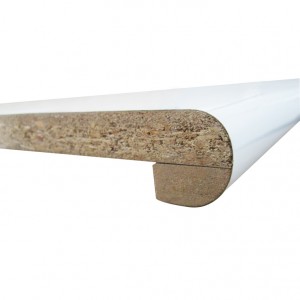
High-Density Raw Particle Board: The Perfect Base Substrate for Furniture Manufacturing
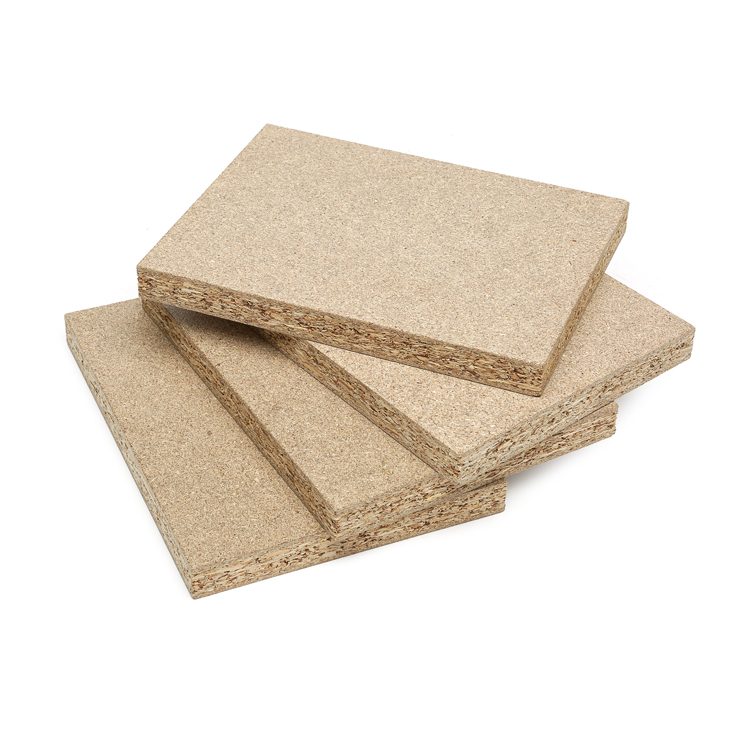

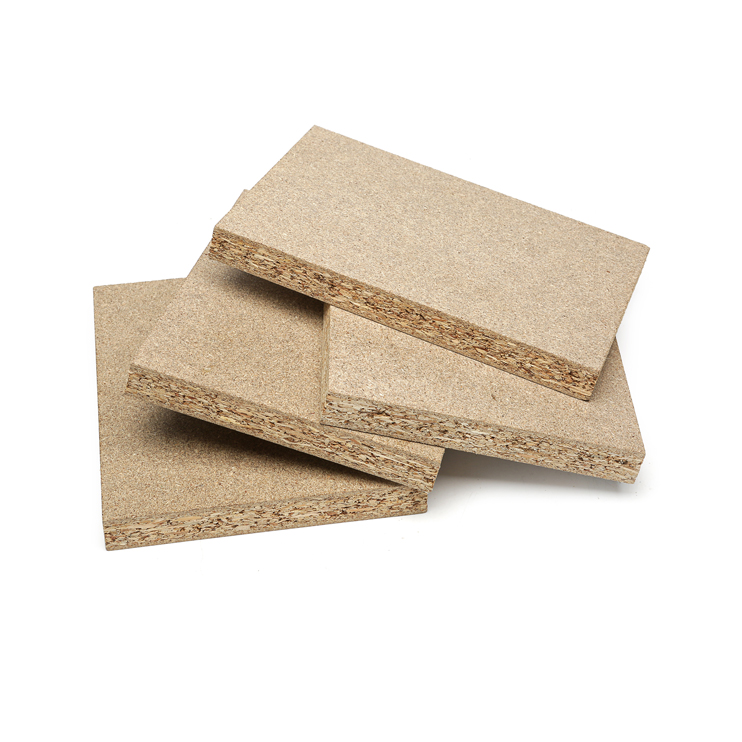

Key Features:
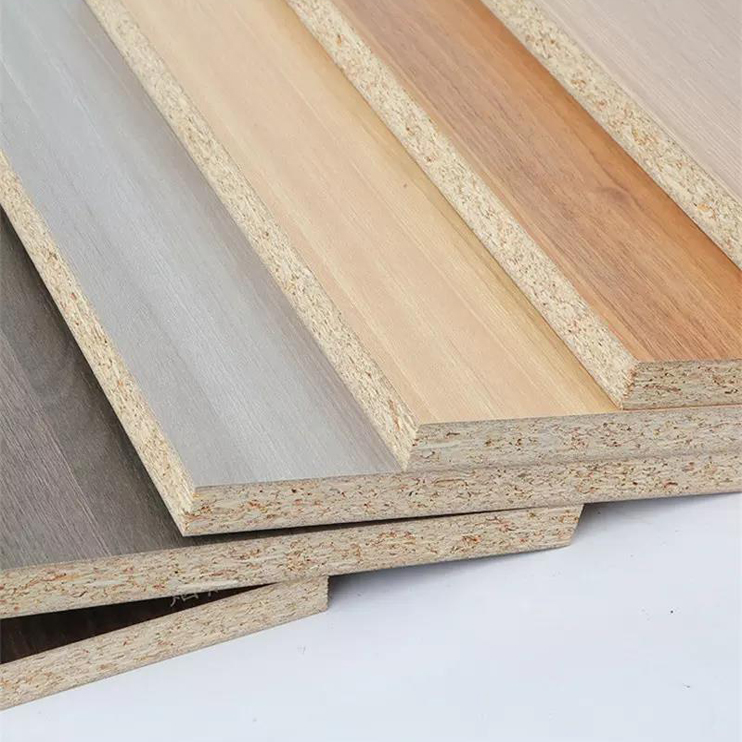
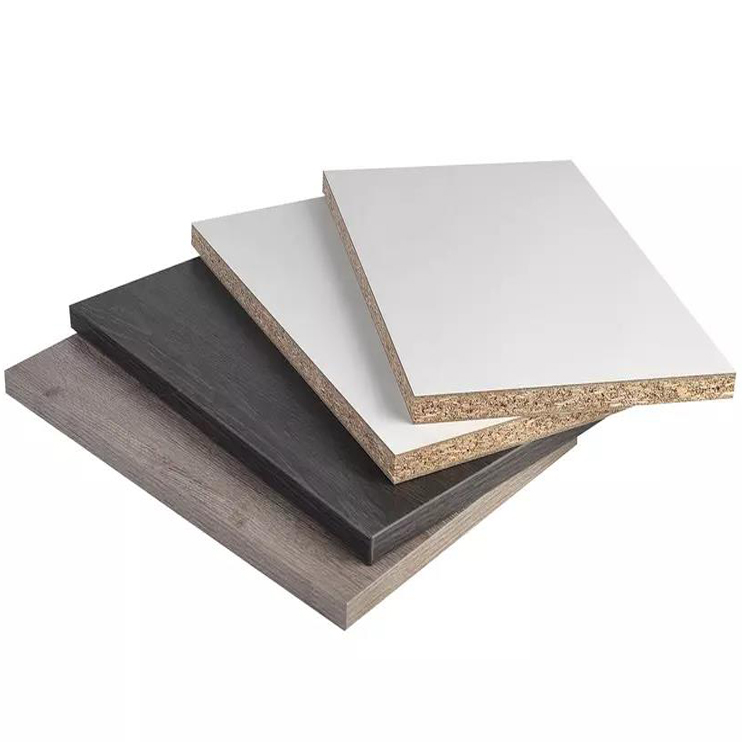
- Flawless, Ultra-Flat Surface: The tightly compressed, smooth face of our plain board requires minimal preparation, making it excellent for painting, laminating, or veneering without telegraphing defects.
- Superior Dimensional Stability: Engineered to distribute stress evenly, ensuring the panels resist warping, twisting, or splitting much better than solid lumber.
- High Screw-Holding Capability: The dense, multi-layered micro-chip core provides excellent mechanical grip for heavy-duty furniture fasteners, hinges, and dowels.
- Superb Machinability: Cuts cleanly and processes effortlessly on standard industrial woodworking machinery and high-speed CNC routers.
- Eco-Friendly & Compliant: Sourced from sustainable wood materials and compliant with strict international air quality and emission standards (E0, E1, CARB P2).
- Excellent Cost Efficiency: Provides robust structural performance at a highly competitive wholesale price point, maximizing profit margins for volume producers.



FAQ:
Q1: What is the difference between Raw Particle Board and Raw MDF?
A: Raw Particle Board (Chipboard) is made from pressed wood chips and flakes, which gives it higher linear stability, excellent resistance to warping over long spans, and an optimized weight-to-strength ratio for furniture carcasses. Raw MDF is made from ultra-fine wood fibers, resulting in a tighter edge that allows for deep 3D routing or profiling. Particle board is typically more cost-effective for large-scale structural panels.
Q2: Can your Raw Particle Board be used directly without any decorative facing?
A: Yes, it can be used raw for structural purposes where aesthetics are not critical, such as sofa frames, internal packaging, subflooring, or temporary staging. However, for visible furniture like cabinets and wardrobes, it is designed to serve as the perfect base substrate to be laminated with melamine paper, HPL, or natural wood veneers.
Q3: What processing parameters or precautions should be taken when laminating this plain chipboard?
A: Our plain chipboard features a refined, dense surface layer that accepts hot-pressing and cold-gluing exceptionally well. To achieve a flawless finish during lamination, ensure the panels are stored in a dry, acclimated environment and free of dust before applying adhesives or thermally fusing papers. Standard carbide-tipped tooling is recommended for clean, chip-free cutting.