
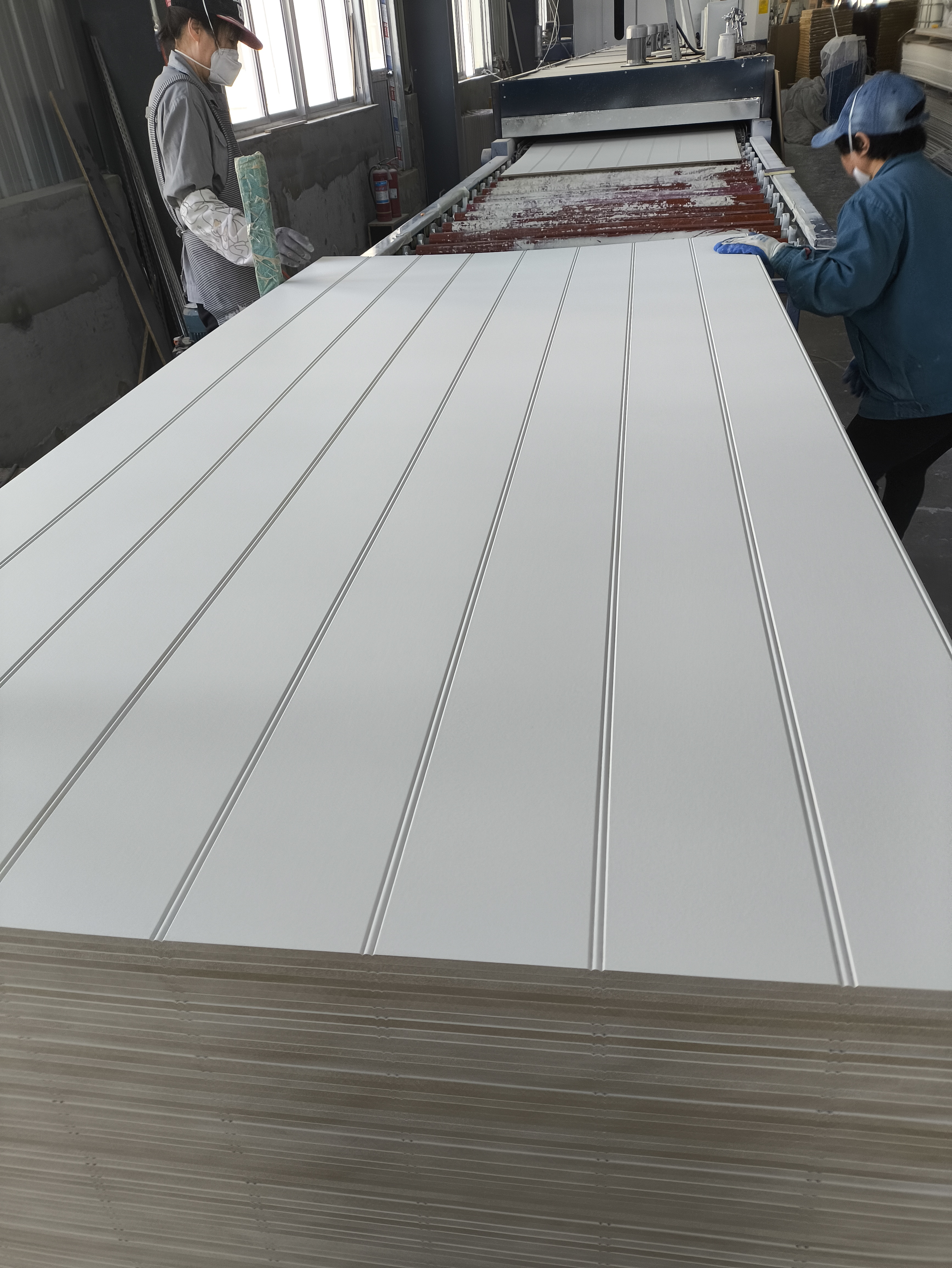
W Groove mdf beadboard


Key Features:
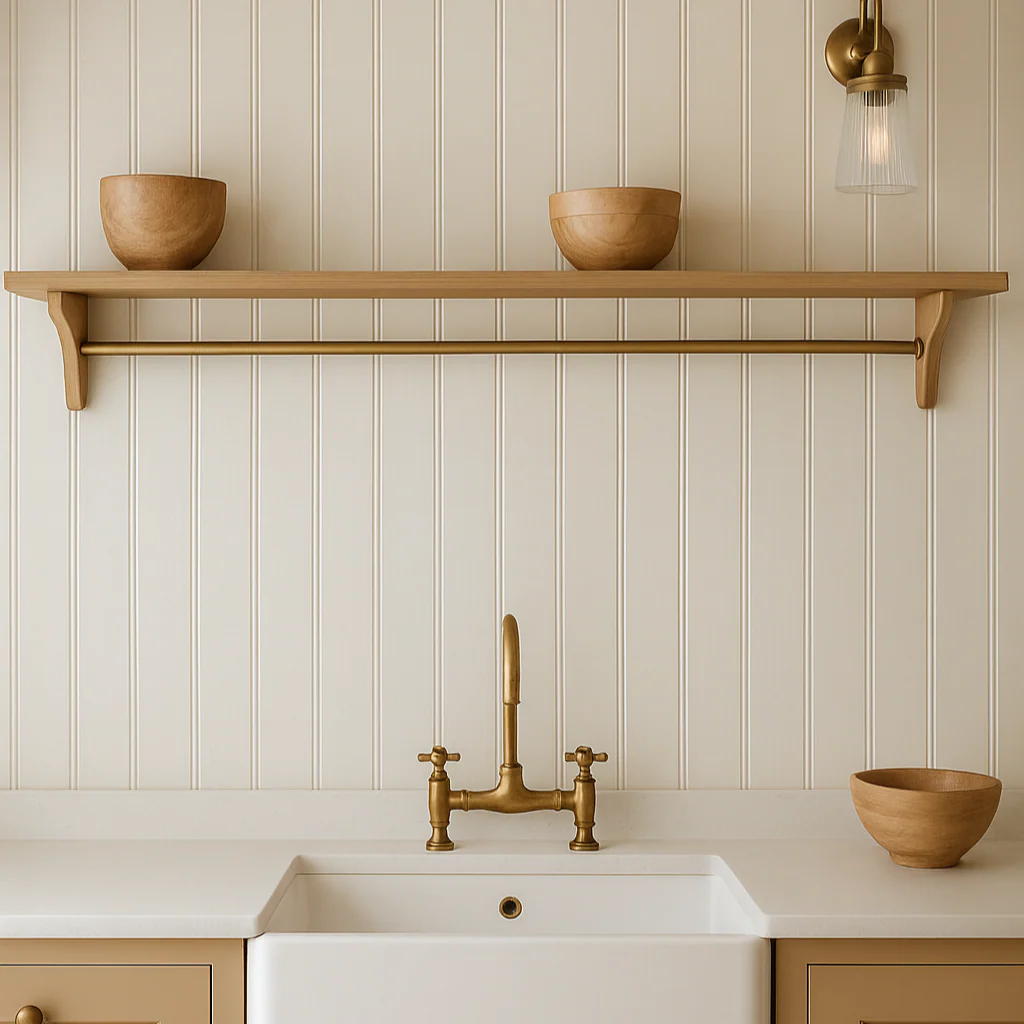
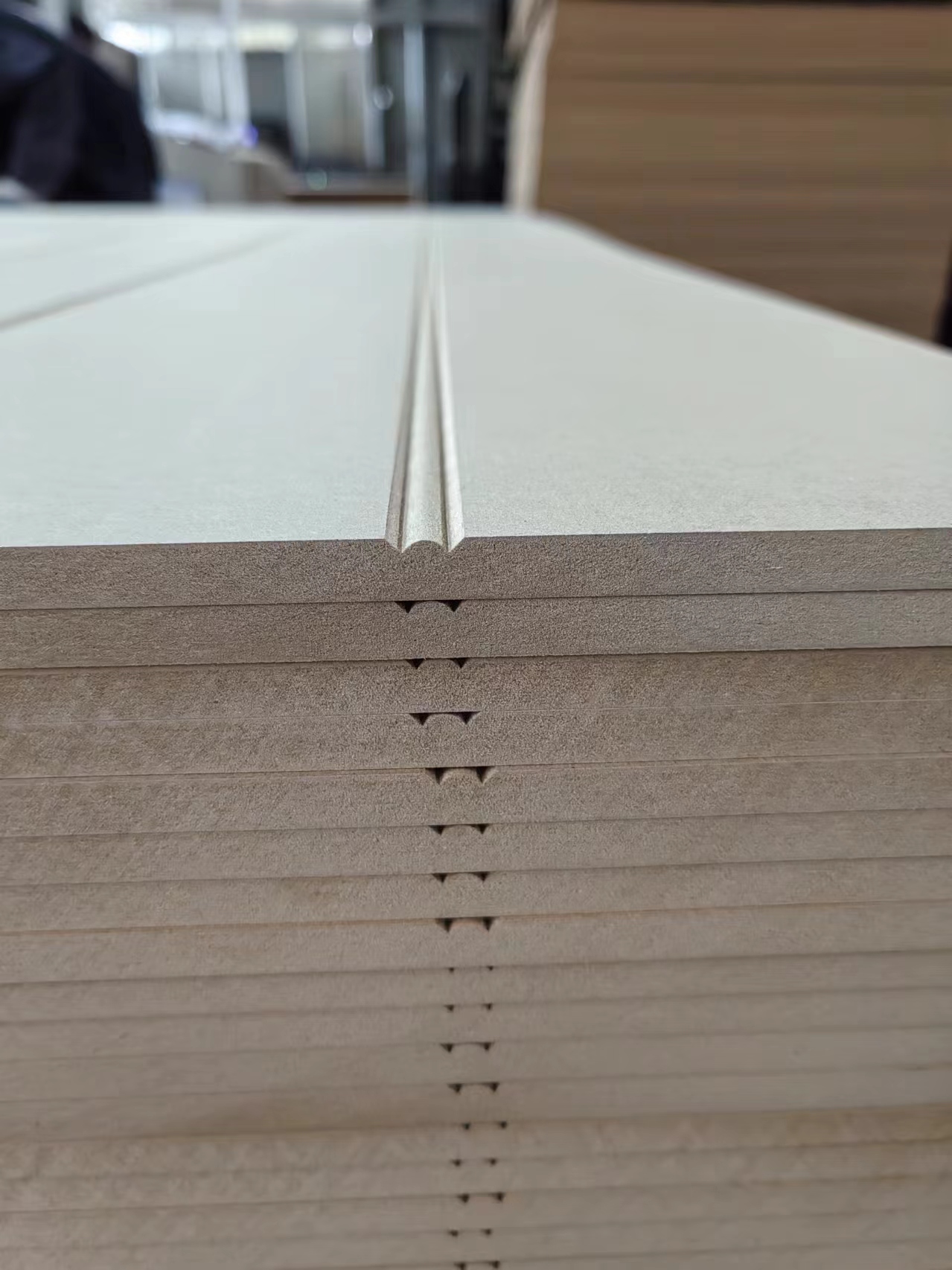
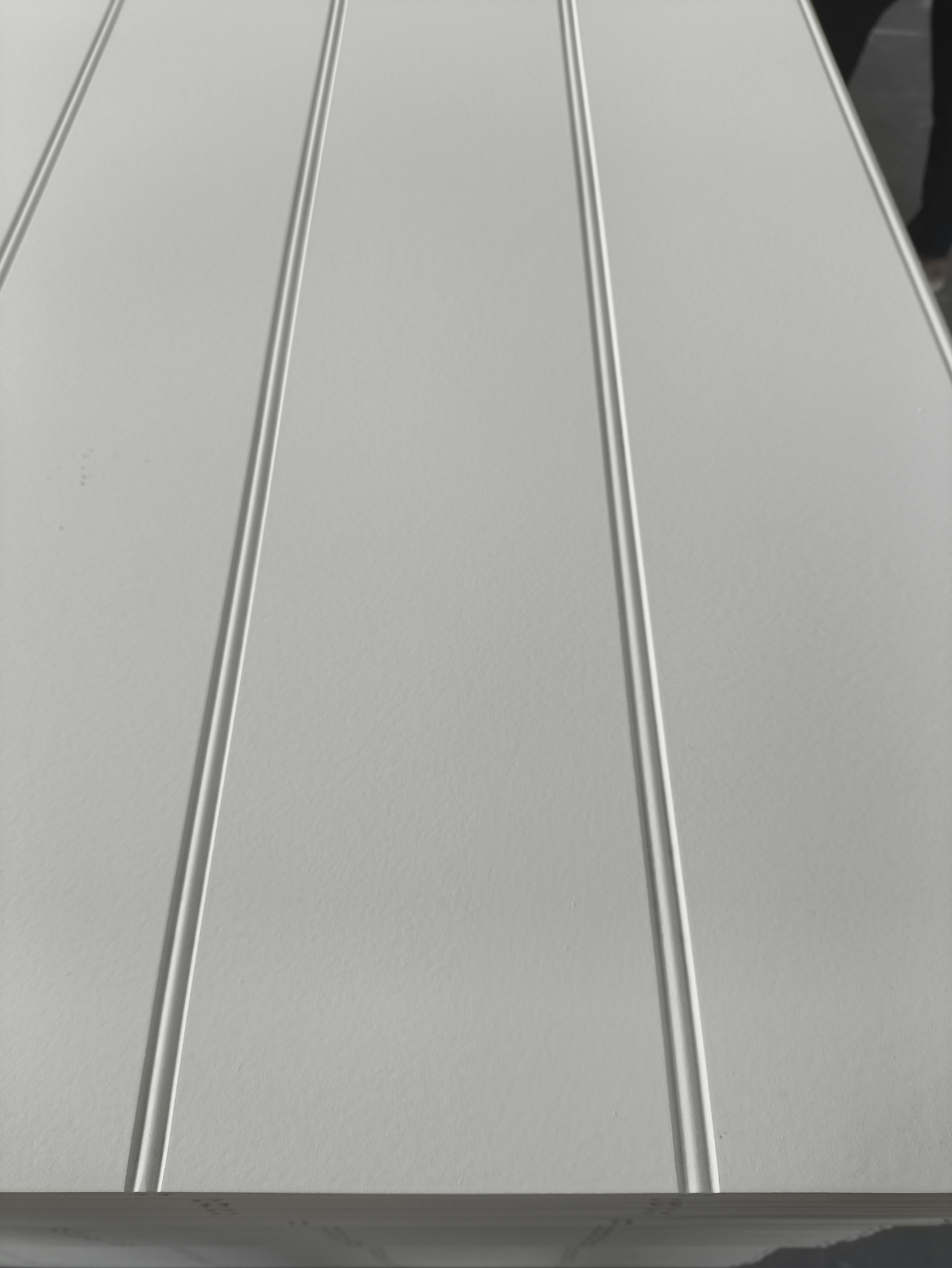
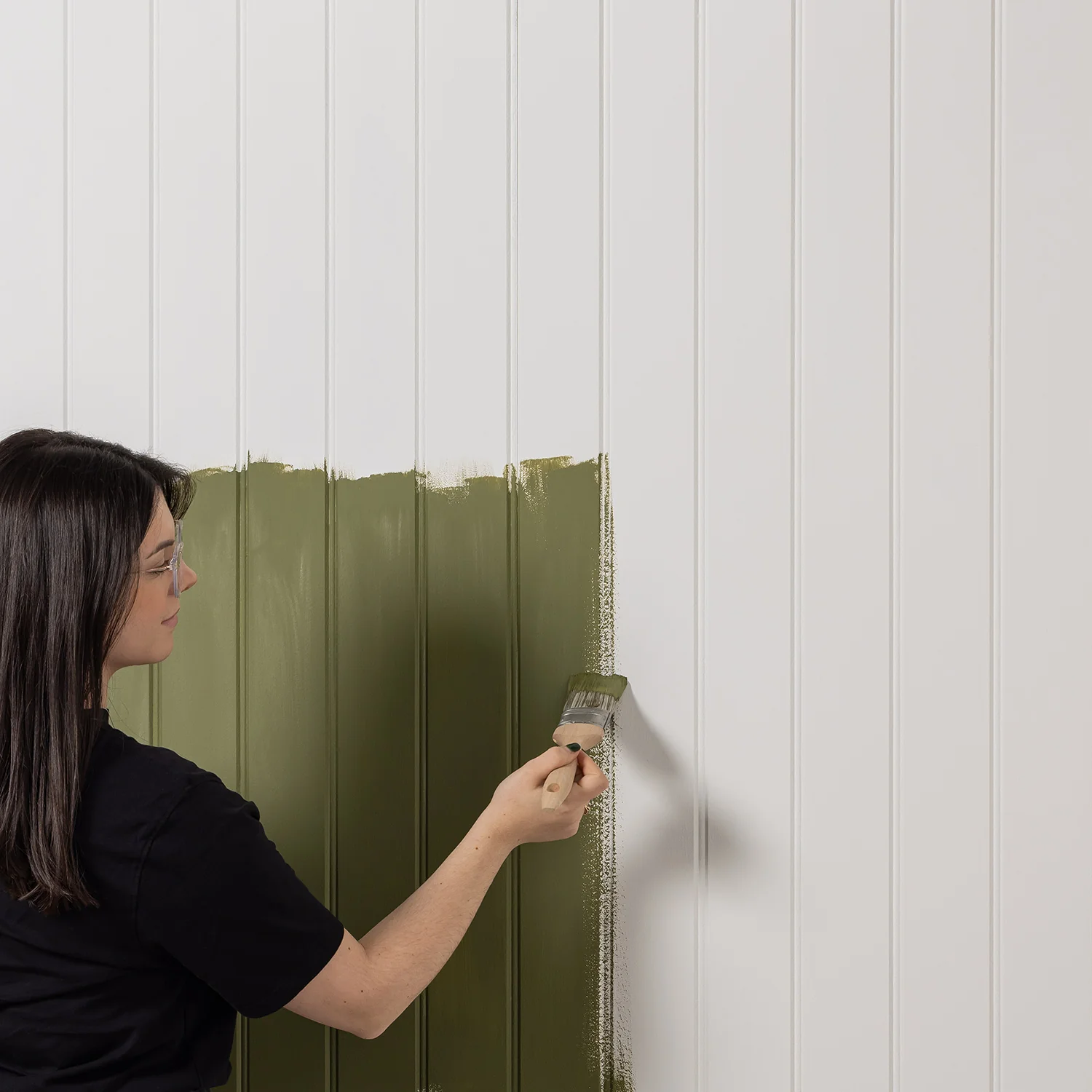
- ✅️Authentic Classic W-Groove Styling: The crisp, deep-milled W-groove line profile replicates the exact look of historic tongue-and-groove individual wood slats but in a much faster-to-install large sheet format.
- ✅️Engineered MDF Core Stability: Constructed from uniform, high-density industrial MDF to guarantee zero expansion, contraction, or shrinking during seasonal humidity changes.
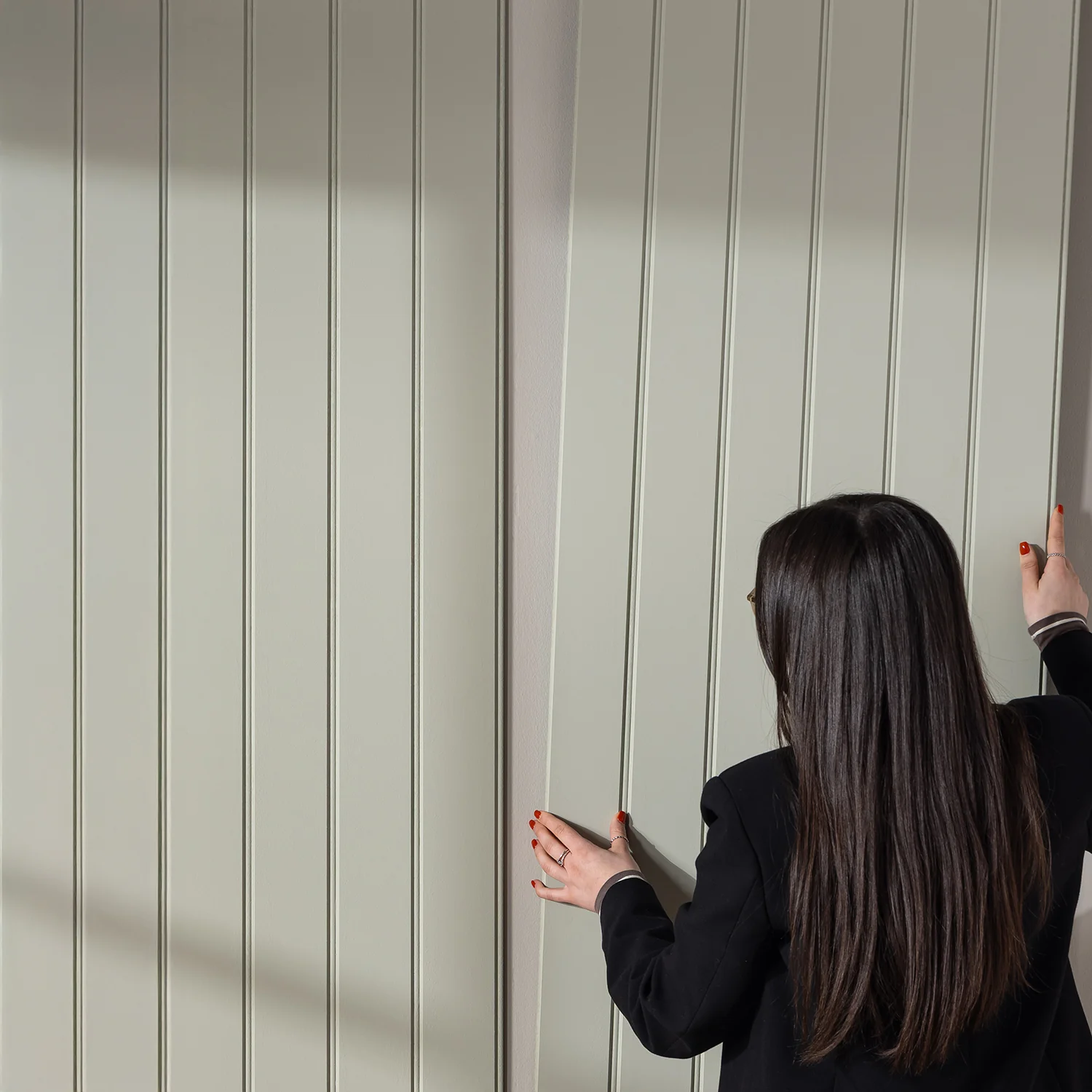
- ✅️Flawless Paintable Layer & Pre-finished Options: Available in a clean white-primed finish ready for custom topcoats (Ready-to-Paint), or pre-coated in trending architectural palettes like Sage Green and Matte White.
- ✅️Fast, Cost-Effective Large Sheet Installation: Covers large surface areas rapidly using tongue-and-groove interlocking edges or tight butt-joints, slashing contractor labor time and project budgets.
- ✅️Versatile Wainscoting & Full-Height Application: Perfect for half-wall wainscoting or floor-to-ceiling accent walls in kitchens, dining rooms, cafes, and modern farmhouse style spaces.
FAQ:
Q1: What is the specific difference between a standard V-groove and your W-groove beadboard?
A: A standard V-groove panel simply features a basic flat triangular indentation between the boards. Our W-groove beadboard features a far more detailed, historical profile: it has a traditional rounded semi-circular "bead" flanked by two angled bevels. This creates a more authentic, rich traditional look that reflects light beautifully and mimics authentic individual timber slats perfectly.
Q2: Can these MDF beadboard panels be used in high-humidity areas like bathrooms or kitchens?
A: Yes, they are highly popular for kitchen backsplashes and bathroom wainscoting (half-walls). However, because they are made from an engineered MDF core, they should not be installed inside direct wet zones like shower stalls. For bathroom use, we always recommend sealing the panels properly with a high-quality moisture-resistant paint or specifying our moisture-resistant MDF grade core.
Q3: Do the horizontal joints show when stacking these panels vertically from floor to ceiling?
A: Our W-groove panels feature seamlessly matched tongue-and-groove or shiplap edge profiles along the vertical sides, meaning side-by-side joints completely disappear. For very high ceilings where you must stack panels vertically, a standard fine-tooth saw can make a clean horizontal butt joint. Any microscopic hairline seam can be effortlessly filled with standard wood putty and painted over to create a perfectly continuous, solid vertical look.

