
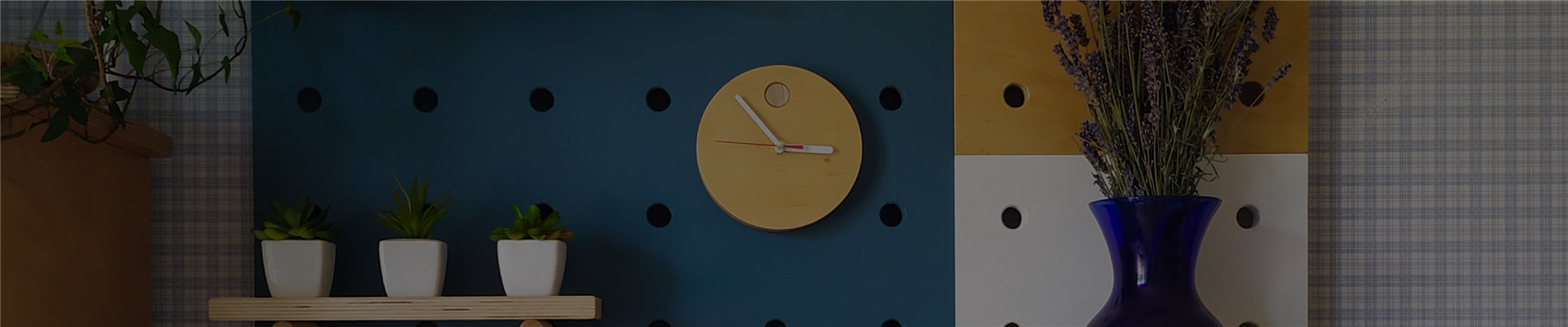
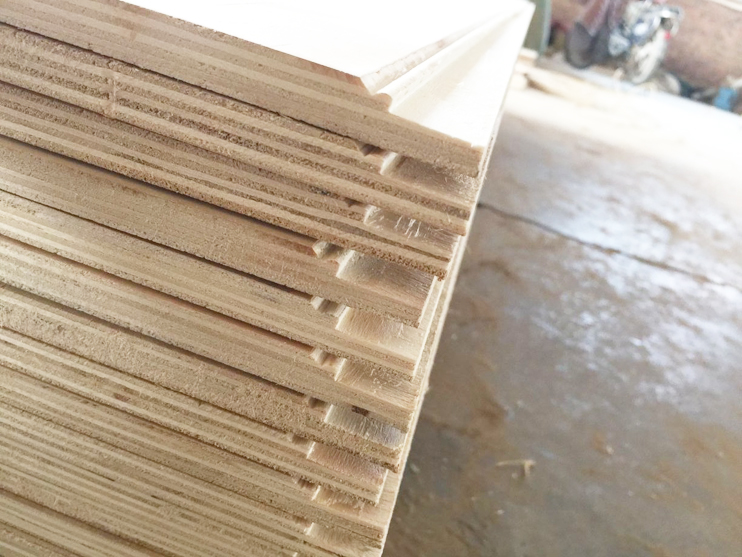
Tongue and grooved plywood
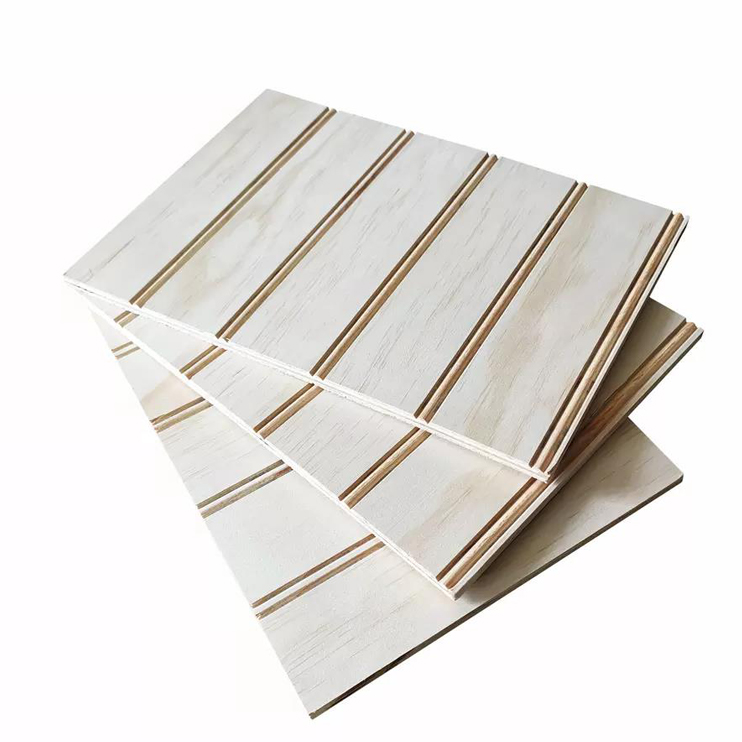


Key Features:
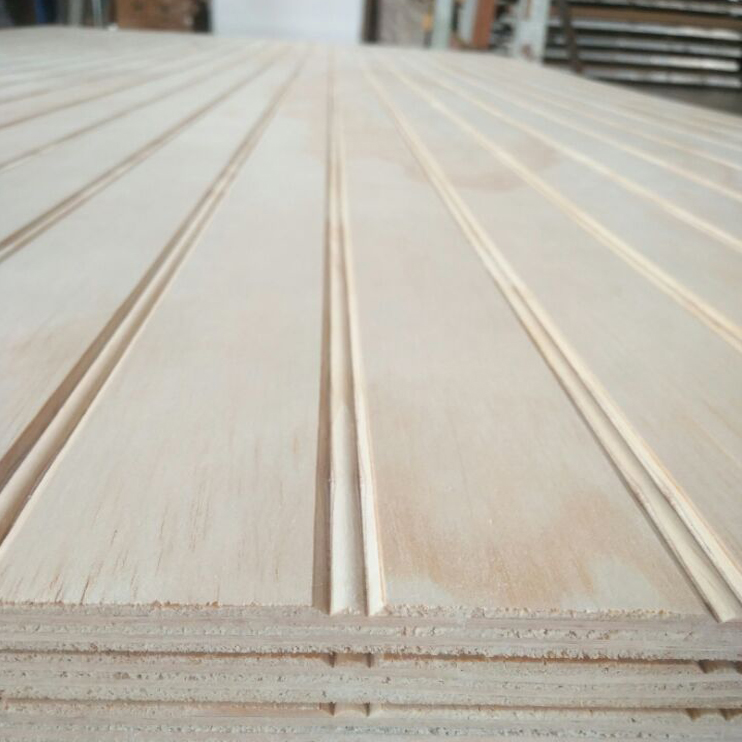
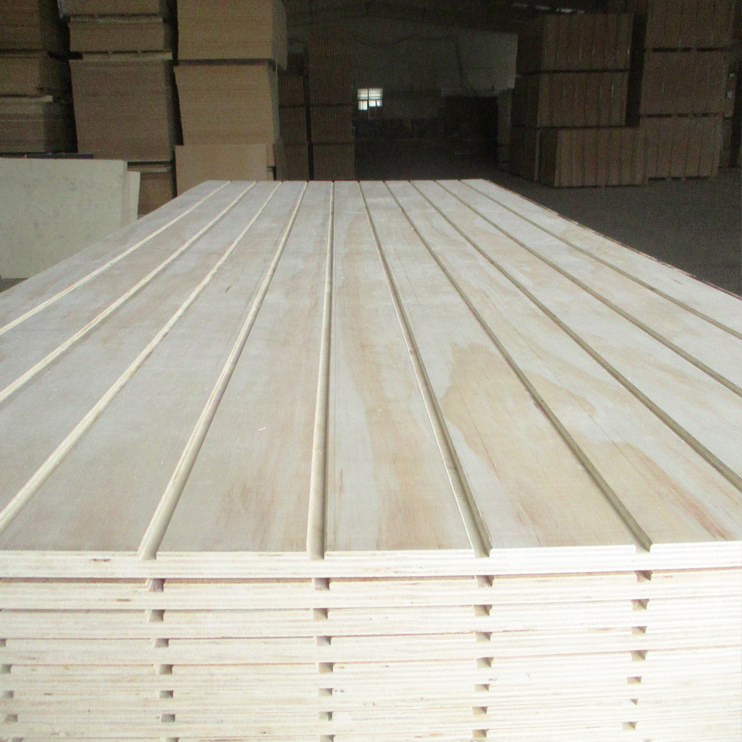
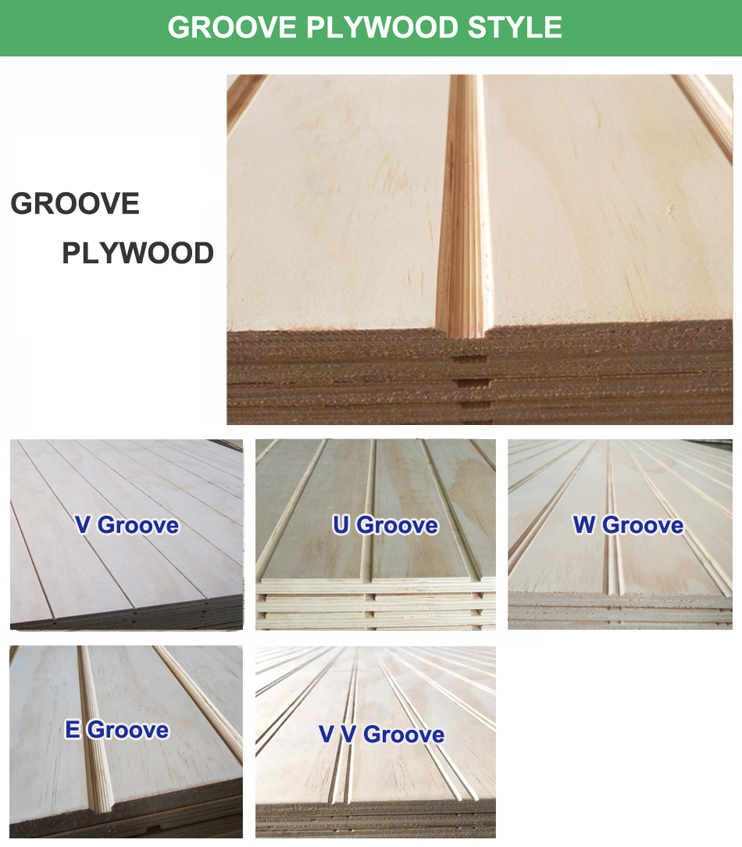
- ✅️Geometric Slot Options: Choose from V-Groove (sharp bevel), W-Groove (double-tier depth), and U-Groove (rounded shiplap) and more to create custom shadow textures.
- ✅️Premium Real Wood Veneer Face: Faced with elite natural veneers like Birch, Pine, or Oak, showcasing beautiful organic grain patterns and rich warmth.
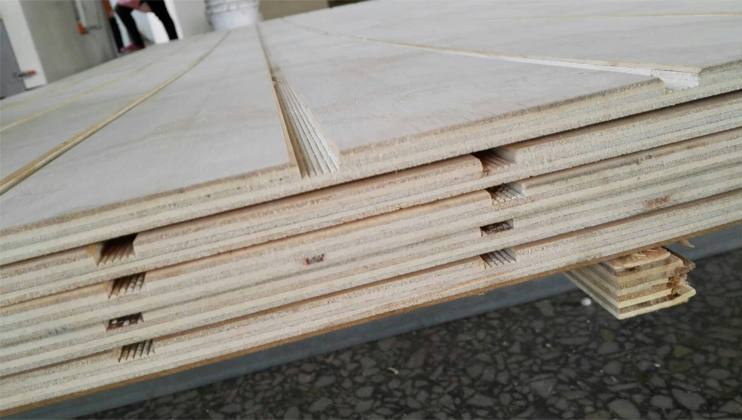
- ✅️Superior Cross-Layer Plywood Core: Multi-layer construction provides outstanding screw-holding power and resists bowing, warping, or splitting over long-term use.
- ✅️Seamless Interlocking Installation: Milled with strict industrial tolerances for a tongue-and-groove fit, eliminating raw seam gaps on extensive wall spaces.
- ✅️Unbeatable Project Time Savings: Prefabricated modular panels replace the slow, labor-intensive task of installing individual timber slats one by one.
|
Product name |
high quality pine tongue & grooved plywood for ceiling construction |
|
Design Style |
Modern |
|
Place of Origin |
Shandong,China |
|
Brand Name |
CHENMING |
|
Grade |
FIRST-CLASS |
|
Face/back |
Pine |
|
Core |
Pine, poplar and hardwood |
|
Size |
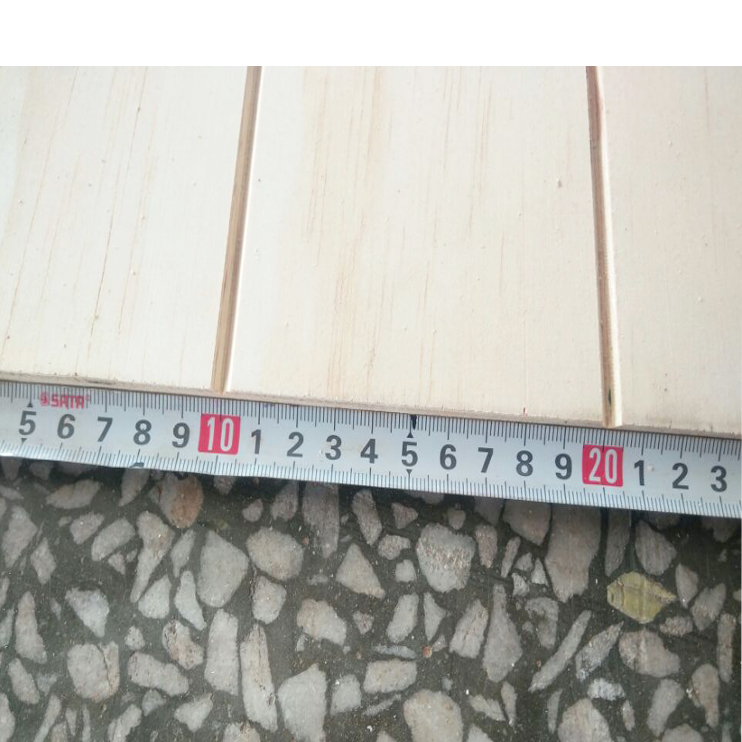
1220mm*2440mm |
|
Thickness |
9mm, 12mm,15mm,18mm |
|
Application |
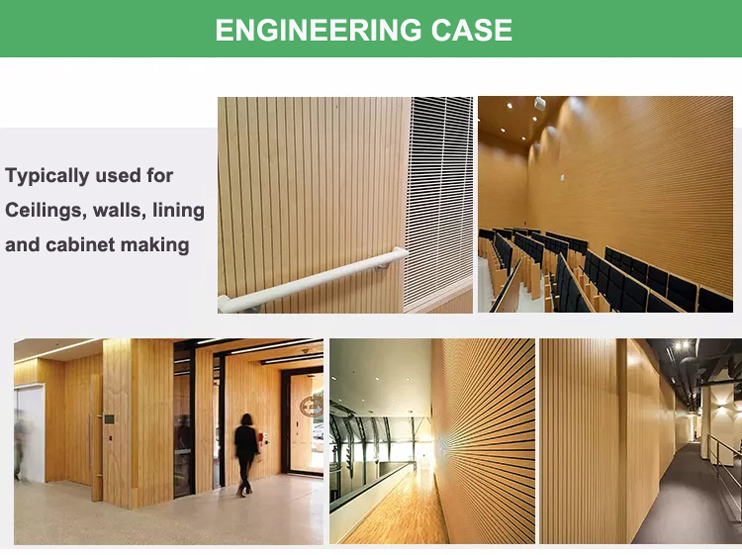
Decoration |
|
Glue |
E0, E1 |
|
Advantage |
Durable and high quality |
| Environmental Friendly |
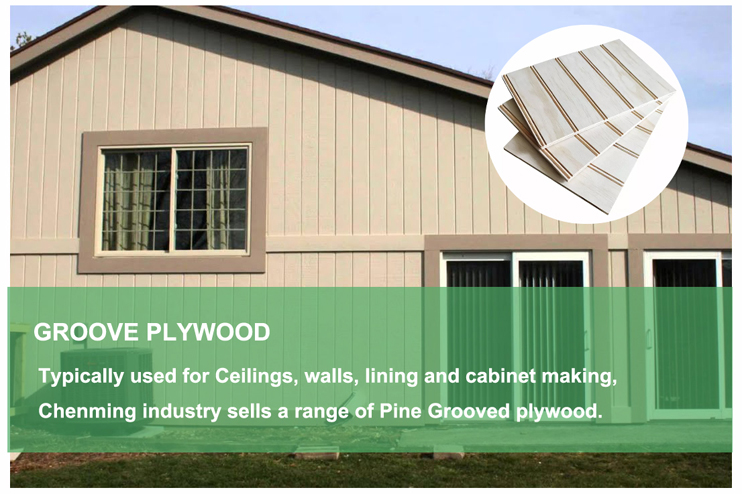

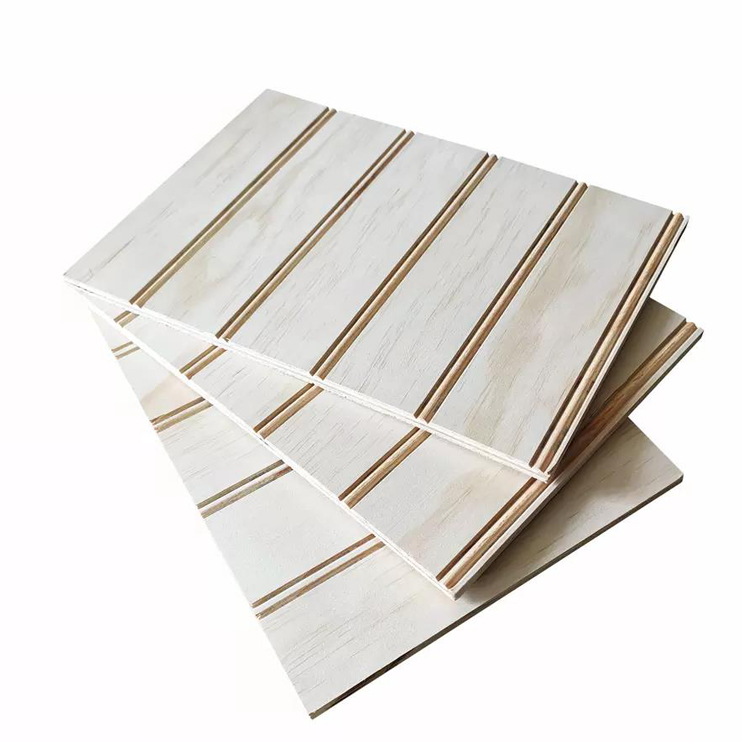


FAQ:
Q1: What is the technical difference between V-Groove, U-Groove, and W-Groove plywood profiles?
A: The differences lie entirely in the geometric shadow effects they create. V-Groove features a sharp, 90-degree chamfer cut, delivering crisp, minimalist linear shadows. U-Groove offers a wider, rounded bottom channel that replicates traditional shiplap or country-style beadboard. W-Groove combines multiple tiered cuts to provide a richer, more bold three-dimensional texture across the board face, making it incredibly popular for architectural hospitality feature walls.
Q2: Why choose grooved plywood over grooved MDF (VJ paneling) for wall and ceiling installations?
A: While MDF is ideal for flat painted finishes, grooved plywood provides three massive structural advantages: weight reduction (easier to install overhead on ceilings), superior moisture resistance (natural wood cross-lamination prevents sagging in coastal or semi-humid areas), and unmatched screw-holding power, making it highly preferred for high-traffic commercial environments and heavy joinery installations.
Q3: Plywood can be sensitive to environmental changes. How do these grooved sheets handle moisture fluctuations, and do you offer treated options?
A: Compared to solid timber or standard MDF, our cross-laminated plywood core provides significantly lower expansion and contraction coefficients, meaning it will not warp or buckle under changing climate conditions. For humid interior applications like kitchens, laundries, and resort ceilings, we produce these boards using high-grade MR (Moisture Resistant) or marine-grade cores. When sealed properly with a standard polyurethane or acrylic clear coat on-site, the panels offer superior resistance to ambient humidity and rot.


