
Indoor WPC Fluted Wall Panel | Eco-Friendly Decorative Grooved Wood Plastic Composite Wall Cladding
Key Features:
- High-Fidelity Wood Textures: Features realistic wood grain films and matte textures, bringing premium warmth to interiors without wood harvesting.
- 100% Waterproof & Anti-Mold: Specially formulated to withstand high-humidity environments without warping, bubbling, or rot.
- Hollow-Core Structural Strength: The engineered hollow geometry reduces overall weight to minimize wall load while enhancing structural impact resistance.
- Exceptional Durability & Anti-Scratch: Resists scratches, impact, and daily fading, maintaining its fresh, vibrant appearance for over a decade.
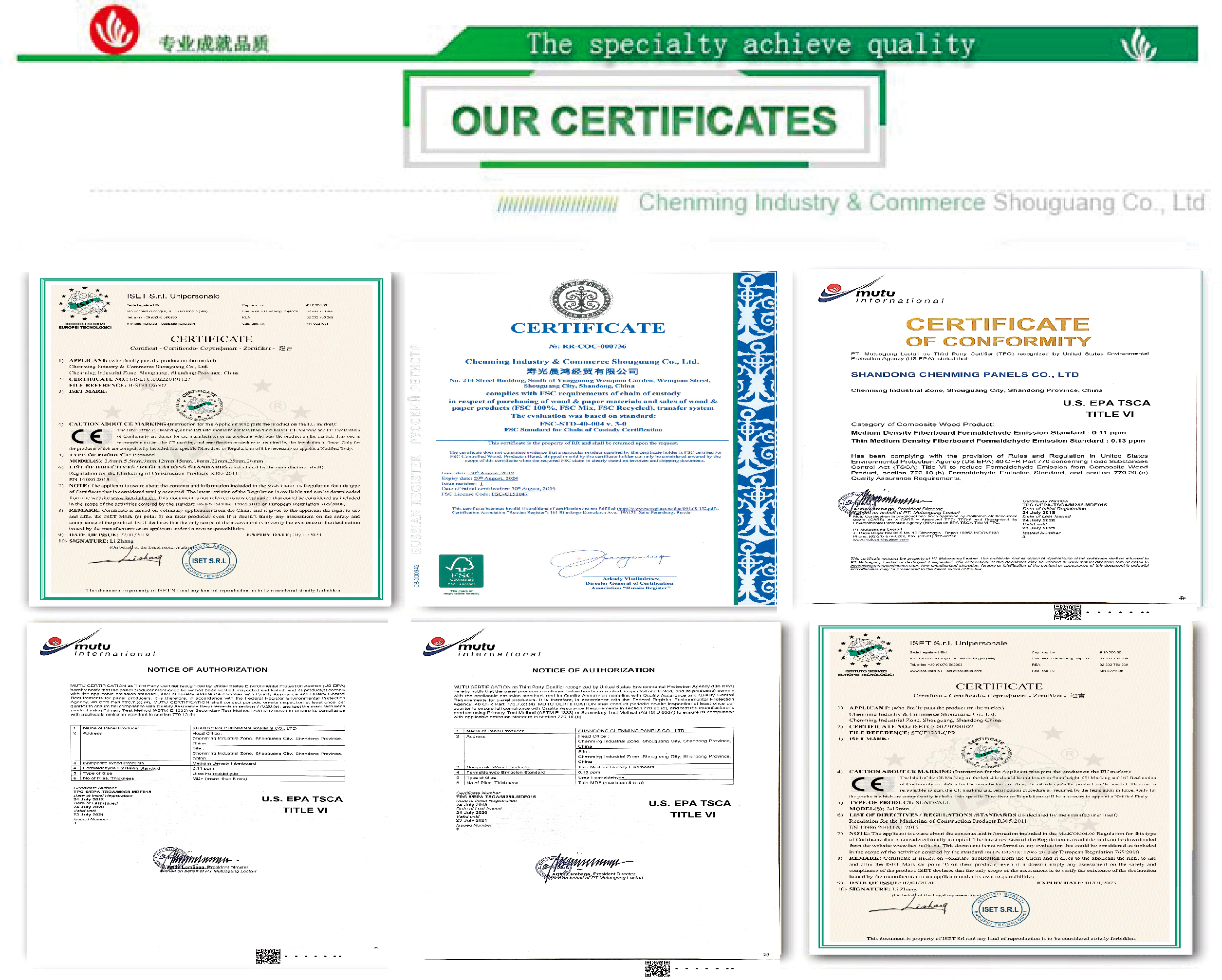
- Eco-Friendly Certification: Produced from sustainable polymers and non-toxic materials, ensuring low VOC emissions and E0-grade formaldehyde-free safety.
- Zero-Fuss Maintenance: Needs no staining, sanding, or protective oils; easily cleaned with a simple soft wipe.

FAQ:
Q1: What are the main benefits of using interior WPC wall panels over natural wood?
A1: WPC (Wood-Plastic Composite) wall panels provide the elegant look of natural wood but eliminate common drawbacks. They are 100% waterproof, termite-proof, and fire-retardant (Class B1). Additionally, WPC panels do not require ongoing maintenance like painting, sealing, or sanding, and they won’t warp or split over time in high-humidity areas.
Q2: Can WPC fluted wall panels be installed in wet areas like bathrooms or kitchens?
A2: Yes, absolutely. Thanks to their advanced composite structure, our indoor WPC panels are highly water-resistant and anti-mold. They perform excellently in kitchens and powder rooms. However, for direct shower enclosures where panels are constantly submerged under running water, we recommend checking with our technical team for specific sealing guidelines.
Q3: How do you install indoor WPC panels? Is it DIY-friendly?
A3: Yes, our WPC panels feature a highly intuitive tongue-and-groove interlocking system that makes installation fast and straightforward. They can be easily cut with standard woodworking tools and secured to flat walls or timber battens using industrial adhesive (liquid nails) and clips/screws. It is highly friendly for both DIY enthusiasts and commercial contractors.


