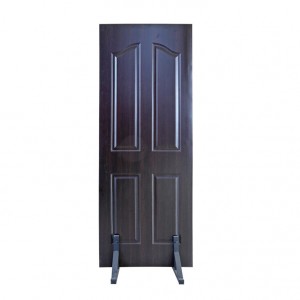
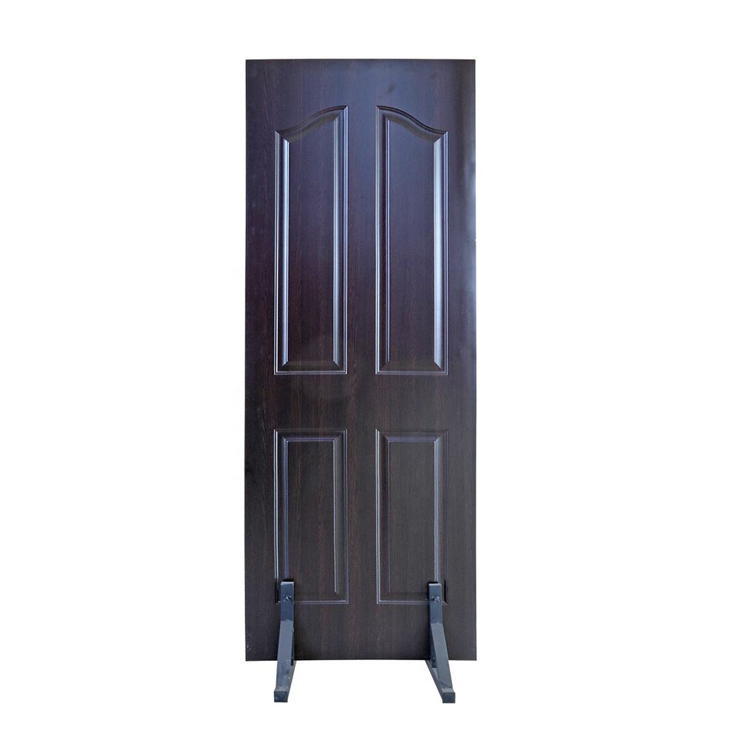
Wholesale Melamine Molded Door Skins: Scratch-Resistant Interior Door Panels for Modern Homes

1. Key Features:
- ✅️Paint-Free & Ready to Use: Finished with a durable melamine surface, eliminating the need for priming or painting, which speeds up door production.
- ✅️Scratch & Moisture Resistant: The tough melamine protective layer offers excellent resistance to scratches, stains, heat, and moisture, ensuring long-lasting beauty.
- ✅️Realistic Rich Textures: Available in sophisticated wood grain patterns (like Walnut, Sapele, Oak, and Mahogany) with high-fidelity color consistency.
- ✅️High-Density Stability: Built on premium HDF base panels to ensure exceptional resistance to warping, cracking, splitting, and shrinking.
- ✅️Eco-Friendly & Low Maintenance: Made from sustainable wood fibers with low formaldehyde emissions, and incredibly easy to wipe clean.
2.Color:
Natural veneer(ash,teak,EP teak,sapele,white oak,red oak,mahogany)
Melamine door skin(Beech,Wenge,Red walnut,OAK,black walnut,Black ash…)
White primer (with grain or not)
3.Advantage
Green, healthy, waterproof and fire-rated
Moulded under high temperature & pressured with advanced technology
No shrink, No split, Great compatibility
Elegant, classic and various kind of styles




FAQ:
Q1: What is a Melamine Door Skin and what are its advantages?
A: A Melamine Door Skin is an engineered HDF panel surfaced with melamine-impregnated decorative paper under high temperature and pressure. Its biggest advantage is that it is completely paint-free and pre-finished, offering high resistance to scratches, water, and stains, which significantly reduces door manufacturing time and costs.
Q2: Can Melamine Door Skins be used for exterior doors?
A: Melamine door skins are specifically designed and optimized for interior doors (such as bedrooms, offices, and hotel rooms). While they have excellent moisture resistance, prolonged direct exposure to harsh outdoor sunlight and heavy rain is not recommended.
Q3: How do manufacturers assemble complete doors using these skins?
A: Door manufacturers typically use a hot-press or cold-press machine to bond two pieces of melamine door skins onto both sides of an inner framework (usually made of a solid wood skeleton filled with honeycomb paper, particleboard, or solid wood strips) using professional wood glue.