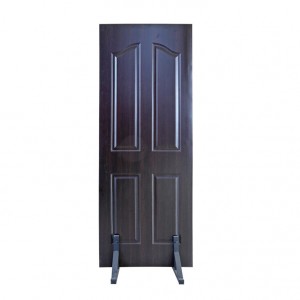
Custom 3mm Molded HDF Door Skin | Painted, PVC Laminated & Melamine Surface Finishes for Interior Doors


Key Features:
- Precision 3mm Thickness: Formed using high-density fiberboard (HDF) to provide excellent impact resistance, warp prevention, and easy bonding.
- Premium Surface Options:
- Natural Wood Veneer: Features real timber grains (Oak, Walnut, Sapeli, Cherry) for an authentic, warm, and luxury wood texture.
- Painted/Lacquered: A seamless, smooth finish available in multi-layer glossy or matte coatings.
- PVC Laminated: Offers enhanced water-proof characteristics with modern grain textures.
- Melamine Paper: Scratch-proof, heat-resistant, anti-fading, and highly cost-effective.
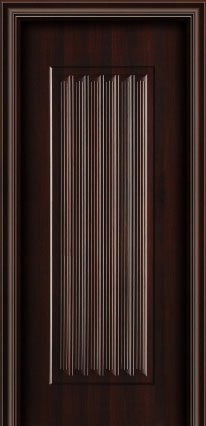
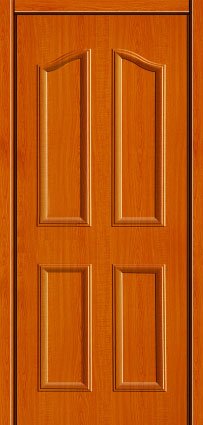
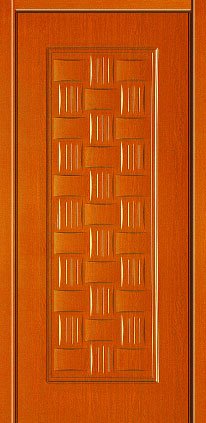
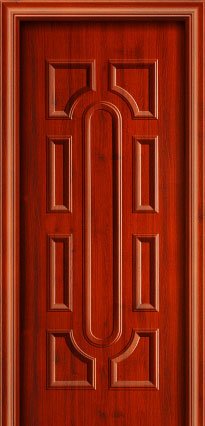
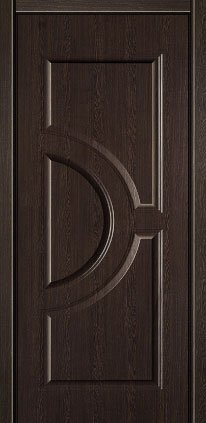
- Diverse Molded Options: Spans timeless multi-panel configurations, deep-grooved modern structures, and unique braided tactile patterns.
- Tailored OEM/ODM Service: Flexible customization for precise door widths, heights, and exclusive brand mold profiles.

 FAQ:
FAQ:
Q1: What are the benefits of choosing a Natural Wood Veneer door skin compared to synthetic finishes?
A: Our Natural Wood Veneer door skins feature real timber slices bonded to an HDF substrate, giving the door the exact appearance, organic texture, and prestige of solid wood doors at a fraction of the cost. Synthetic options like PVC or Melamine offer superior scratch and moisture resistance with lower maintenance, making them better suited for high-traffic or budget-conscious commercial spaces.
Q2: Do you support bespoke sizes and exclusive mold patterns for local market distributions?
A: Yes, we specialize in comprehensive B2B customization. While our standard thickness is engineered at 3mm, we fully accommodate custom heights and widths to match your target building codes. We can also develop proprietary hydraulic molds according to your specific architectural profiles or physical samples.
Q3: What substrate material do you use, and what are its performance characteristics?
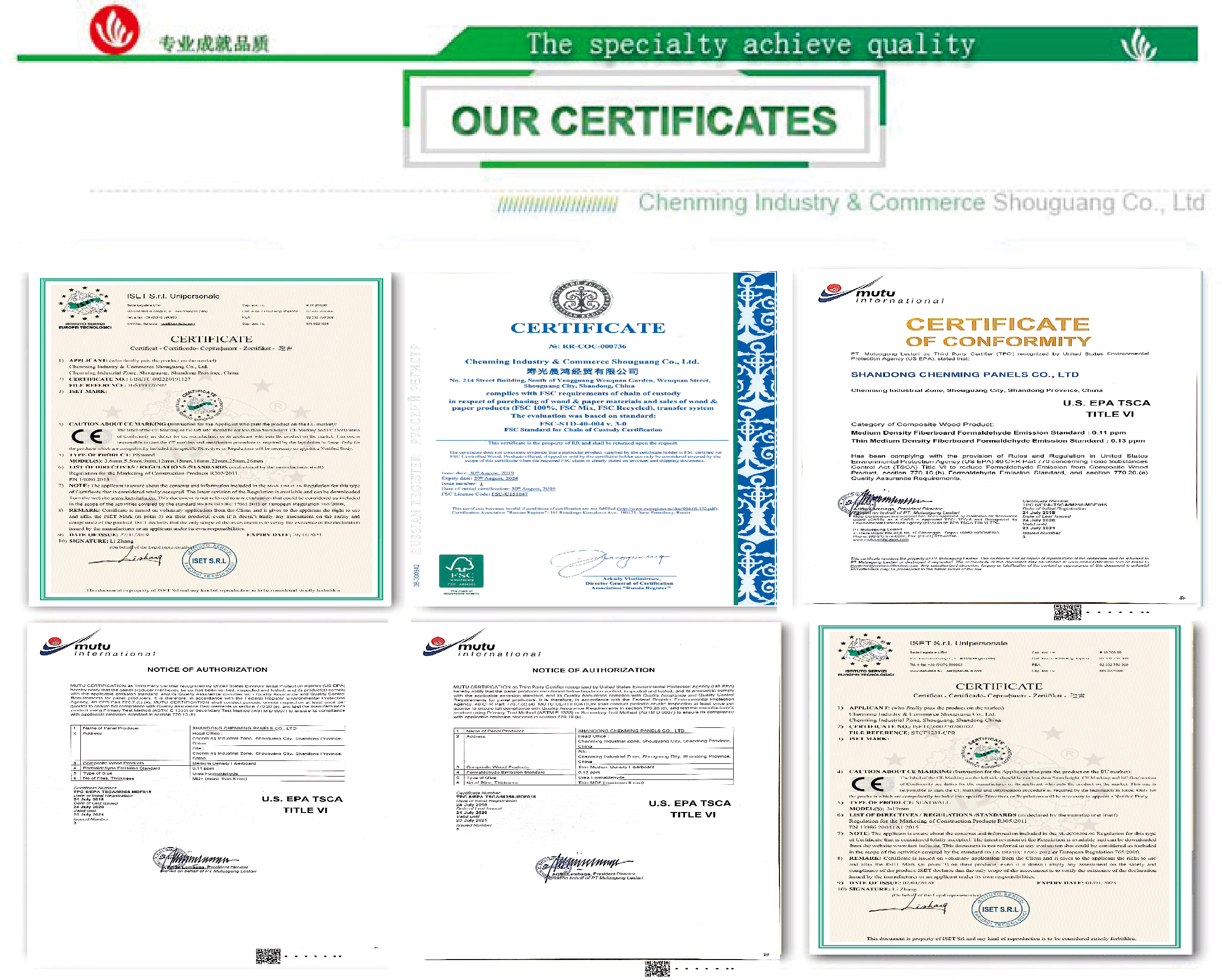
A: We utilize high-grade, premium High-Density Fiberboard (HDF) or Medium-Density Fiberboard (MDF) as our core substrate. This material undergoes high-pressure thermal molding to prevent cracking, shrinking, or warping. Additionally, we provide options complying with E1 and E2 environmental standards to guarantee safe indoor emissions for residential applications.